
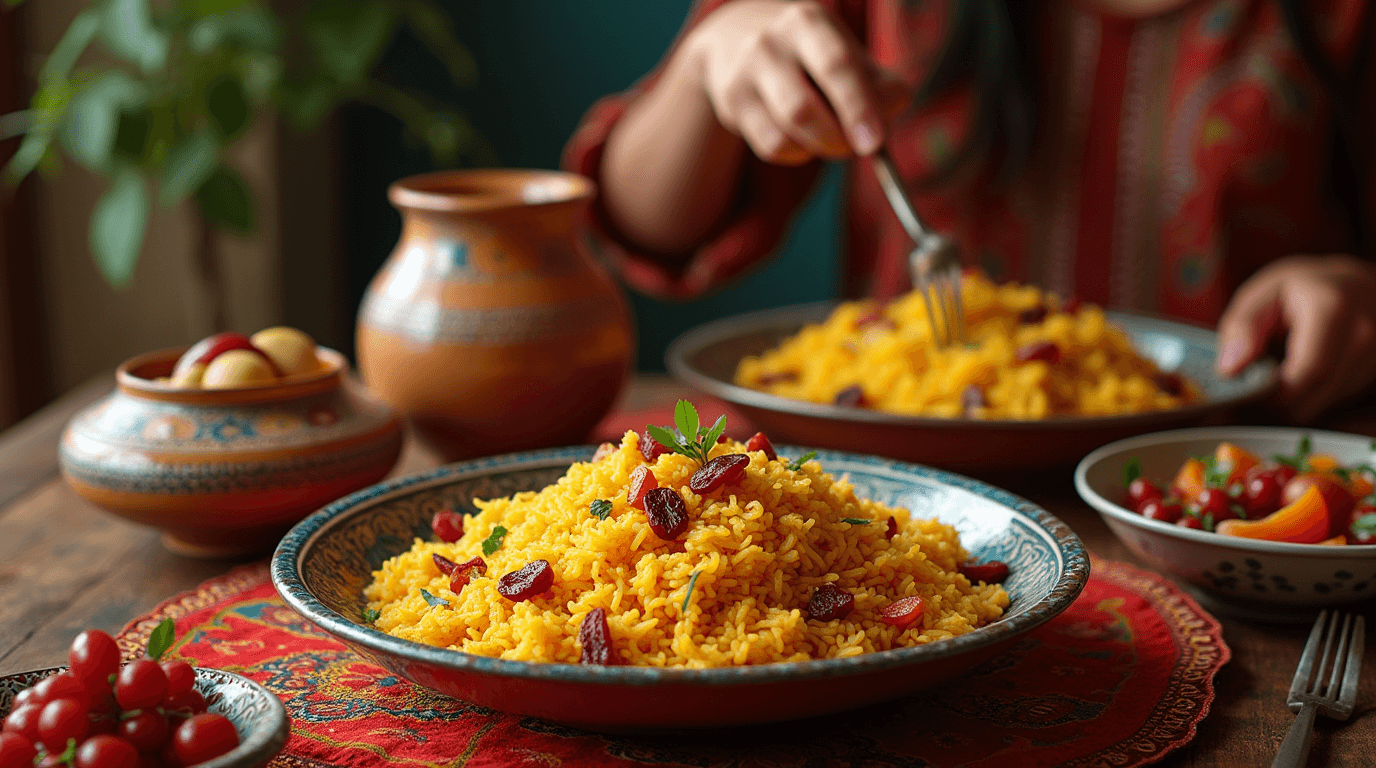

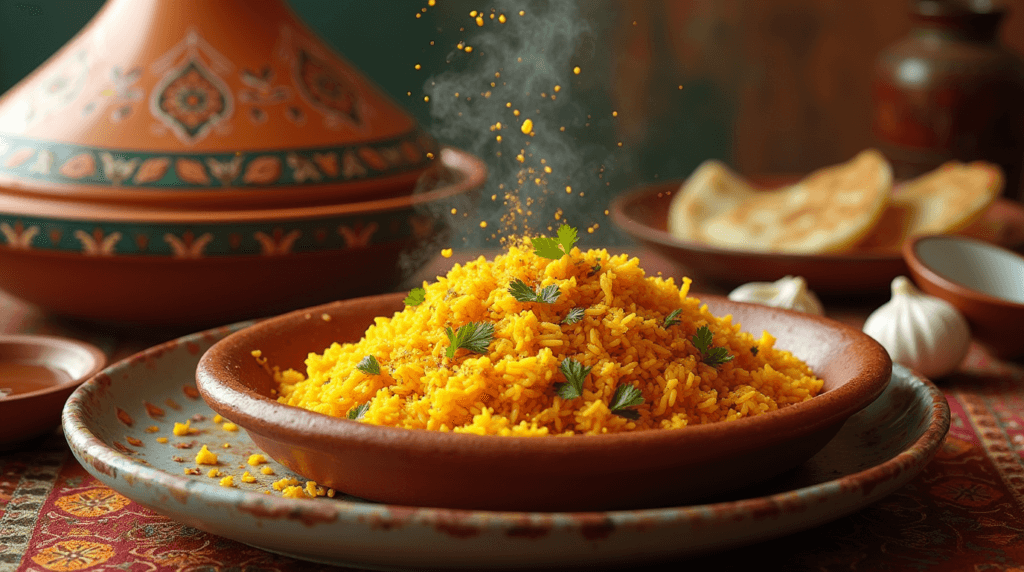
Imagine the warm, rich aroma of saffron-infused rice filling your kitchen, transporting you to the heart of Morocco. You can almost hear the bustling souks, see the colorful spices piled high, and taste the depth of tradition in every bite. Moroccan rice dishes are a vibrant blend of textures and flavors, steeped in history and a testament to the country’s culinary artistry.
If you’ve ever wanted to master these dishes, you’re in the right place. In this guide, you’ll learn how to create Moroccan rice dishes that are not only authentic but also easy to make in your own kitchen. With just three simple steps, you can unlock the secrets to these mouthwatering meals. So, let’s embark on this flavorful journey together!
Step 1: Understanding the Foundation of Moroccan Rice Dishes
What Makes Moroccan Rice Dishes Unique?
The beauty of Moroccan rice dishes lies in their balance of simplicity and complexity. While rice may seem like a basic ingredient, it takes on a whole new character when combined with the right spices and cooking techniques.
Moroccan cuisine is a melting pot of flavors, drawing from Berber, Arab, and Mediterranean influences. This fusion is what makes Moroccan rice dishes stand out. The combination of spices, meats, vegetables, and dried fruits creates a harmonious mix of savory, sweet, and spicy elements. Understanding the cultural significance of these ingredients will give you a deeper appreciation of the dish and help you execute it with authenticity.
Key Ingredients
Let’s take a look at the main ingredients that make Moroccan rice dishes so flavorful:
- Rice: While long-grain or basmati rice are the most commonly used varieties, some dishes may also use jasmine rice. The key is to choose rice that remains fluffy and separate after cooking, allowing the flavors to shine.
- Spices: Moroccan dishes are known for their rich spice profiles. You’ll often find a combination of saffron, cinnamon, cumin, turmeric, coriander, and paprika, each contributing to the dish’s unique taste.
- Proteins: Chicken, lamb, and fish are the most popular proteins used in Moroccan rice dishes. However, you can also use other meats or even tofu for a vegetarian alternative.
- Vegetables: Carrots, bell peppers, onions, tomatoes, and zucchini are common vegetables found in Moroccan rice dishes, often cooked until tender and infused with the spices.
- Dried Fruits: Dried apricots, raisins, and dates are frequently added to bring a touch of sweetness to balance the spices.
Cooking Methods
The cooking methods you use can drastically impact the flavor and texture of your Moroccan rice dishes. Some of the most common techniques include:
- Simmering: This is the most straightforward method. The rice is simmered in a flavorful broth or stock, allowing it to absorb all the spices and aromas.
- Steaming: Steaming rice over a simmering pot of stew or tagine infuses the rice with rich flavors while keeping it fluffy.
- Toasting: Lightly toasting the rice before cooking helps to bring out its nutty flavor and gives it a firmer texture.
By understanding these foundational elements, you’re ready to move on to mastering the techniques that will take your Moroccan rice dishes to the next level.
Step 2: Mastering the Core Techniques of Moroccan Rice Dishes
Preparing the Perfect Rice for Moroccan Dishes
The key to perfecting any rice dish is ensuring the rice is cooked to perfection. Here are some essential techniques to keep in mind:
- Rinsing Rice: Rinsing your rice before cooking is a crucial step. It removes excess starch, which helps prevent the rice from becoming sticky. This is especially important for Moroccan dishes, where you want the rice to remain separate and fluffy.
- Toasting Rice: Toasting the rice in a bit of oil or butter before adding liquids is a technique that brings out the nutty flavor of the rice. It also helps to keep the grains from clumping together as they cook.
- Simmering vs. Steaming: While simmering rice in a flavorful broth creates depth, steaming rice over a pot of stew or tagine infuses it with even more rich flavors. Both methods work well, so feel free to experiment and see which one you prefer.
The Art of Layering Flavors
One of the most important aspects of Moroccan rice dishes is layering the flavors. Here’s how you can achieve that perfect blend:
- Start with Aromatics: Begin by sautéing onions, garlic, and ginger in oil. These ingredients form the aromatic base of your dish and set the tone for everything that follows.
- Add Your Protein: Once your aromatics are fragrant, it’s time to add your protein (chicken, lamb, fish, or tofu). Allow the protein to sear slightly before adding spices, allowing it to absorb the flavors.
- Incorporate Vegetables: Add your vegetables next, allowing them to soften and cook down with the spices.
- Spices and Stock: Add the spices, ensuring they coat all the ingredients. Then, pour in your stock or broth, bringing it to a simmer. This is where the rice will soak up all the flavors, creating a beautifully fragrant dish.
By following this method, you’ll ensure that every bite of your Moroccan rice dish is packed with layers of delicious flavor.
Step 3: Exploring Popular Moroccan Rice Dishes
Now that you’ve learned the foundation and the techniques, it’s time to dive into the heart of Moroccan rice dishes. These dishes are full of variety, so there’s something for everyone. Here are some of the most popular Moroccan rice dishes to try:
Moroccan Pilaf
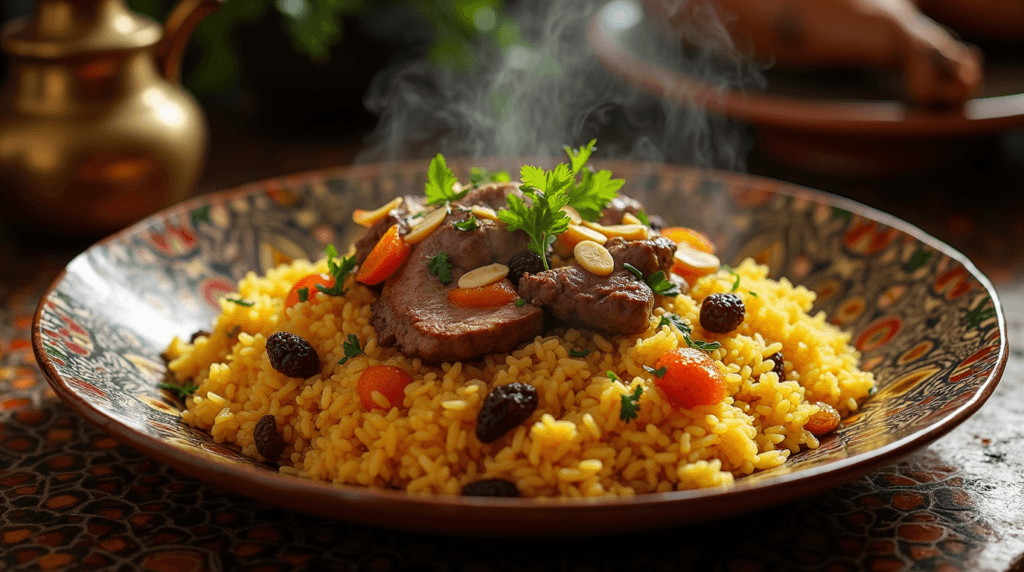
A classic dish, Moroccan pilaf is made with basmati rice, tender meat (usually chicken or lamb), vegetables, and a mix of spices. Dried fruits like raisins or apricots are often added to balance the savory flavors with a hint of sweetness. This dish is perfect for a special occasion or a family meal.
Chicken Biryani
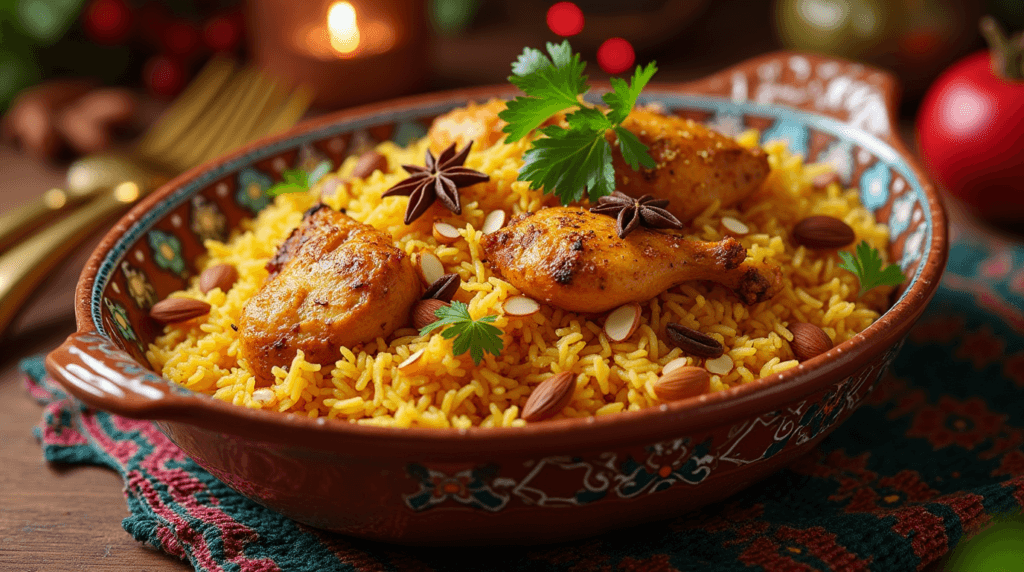
Although biryani is often associated with Indian cuisine, Moroccan-style biryani features saffron, turmeric, and a generous amount of spices, along with marinated chicken. The rice is fluffy and infused with aromatic flavors, making each bite a comforting experience.
Vegetable Tagine with Rice
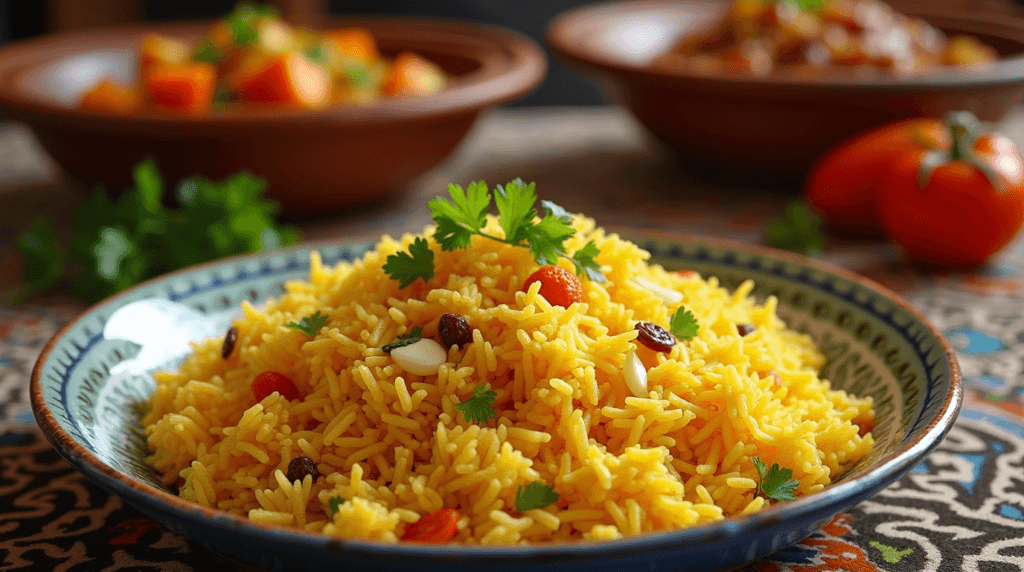
For a vegetarian option, a vegetable tagine served with rice is an excellent choice. A mix of seasonal vegetables like carrots, zucchini, and tomatoes are slow-cooked in a tagine with Moroccan spices, and the rice is served alongside to absorb all the delicious flavors.
Seafood Rice Stew
A seafood rice stew is perfect for those who love the taste of the ocean. Shrimp, fish, and other seafood are cooked in a tomato-based broth, alongside rice and spices. The result is a hearty, flavorful dish that’s perfect for any seafood lover.
Key Ingredients and Tools for Perfect Moroccan Rice Dishes
To make your Moroccan rice dishes truly exceptional, you’ll need a few key ingredients and tools.
Essential Ingredients
Here’s a quick overview of the essential spices and ingredients used in Moroccan rice dishes:
| Spice | Flavor Profile | Common Uses |
|---|---|---|
| Saffron | Floral, earthy | Adds a rich, aromatic flavor to rice dishes |
| Cumin | Warm, nutty | Enhances the flavor of meats, rice, and stews |
| Cinnamon | Sweet, spicy | Pairs well with rice for both savory and sweet dishes |
| Turmeric | Earthy, bitter | Gives rice a golden color and a mild, earthy flavor |
| Coriander | Citrusy, sweet | Pairs perfectly with cumin in rice and stews |
Cooking Tools
- Tagine: A traditional Moroccan pot, ideal for slow-cooking meats, vegetables, and rice.
- Rice Cooker: For those short on time, a rice cooker can be a lifesaver. It ensures your rice is perfectly cooked every time.
- Spice Grinder: For the freshest flavors, a spice grinder can help you grind whole spices right before use.
Final Thoughts: Perfecting Your Moroccan Rice Dishes
Mastering Moroccan rice dishes is all about practice. By following the techniques outlined here and experimenting with different variations, you’ll soon be able to create meals that are bursting with flavor and authenticity. Remember, the key is to layer flavors, choose the right spices, and let the rice absorb all the deliciousness.
Tips for Success
- Don’t Rush the Cooking Process: Take your time to let the flavors meld and the rice cook perfectly.
- Experiment with Ingredients: Feel free to swap in different vegetables or proteins based on what you have available.
- Balance Flavors: If your dish is too spicy, balance it out with a touch of sweetness from dried fruits or honey.
Call to Action
Now it’s your turn! Head to your kitchen and start experimenting with these Moroccan rice dishes. Whether you’re making a classic pilaf or a seafood rice stew, you’ll be amazed by how easy it is to bring the flavors of Morocco into your home. Don’t forget to share your culinary creations with your friends and family—they’re sure to be impressed by your newfound expertise in Moroccan cuisine!
With this comprehensive guide, you’re ready to take on Moroccan rice dishes with confidence. Keep experimenting and savor every delicious bite!
How was your experience with this recipe?
There are no reviews yet. Be the first one to write one.
